Our Service
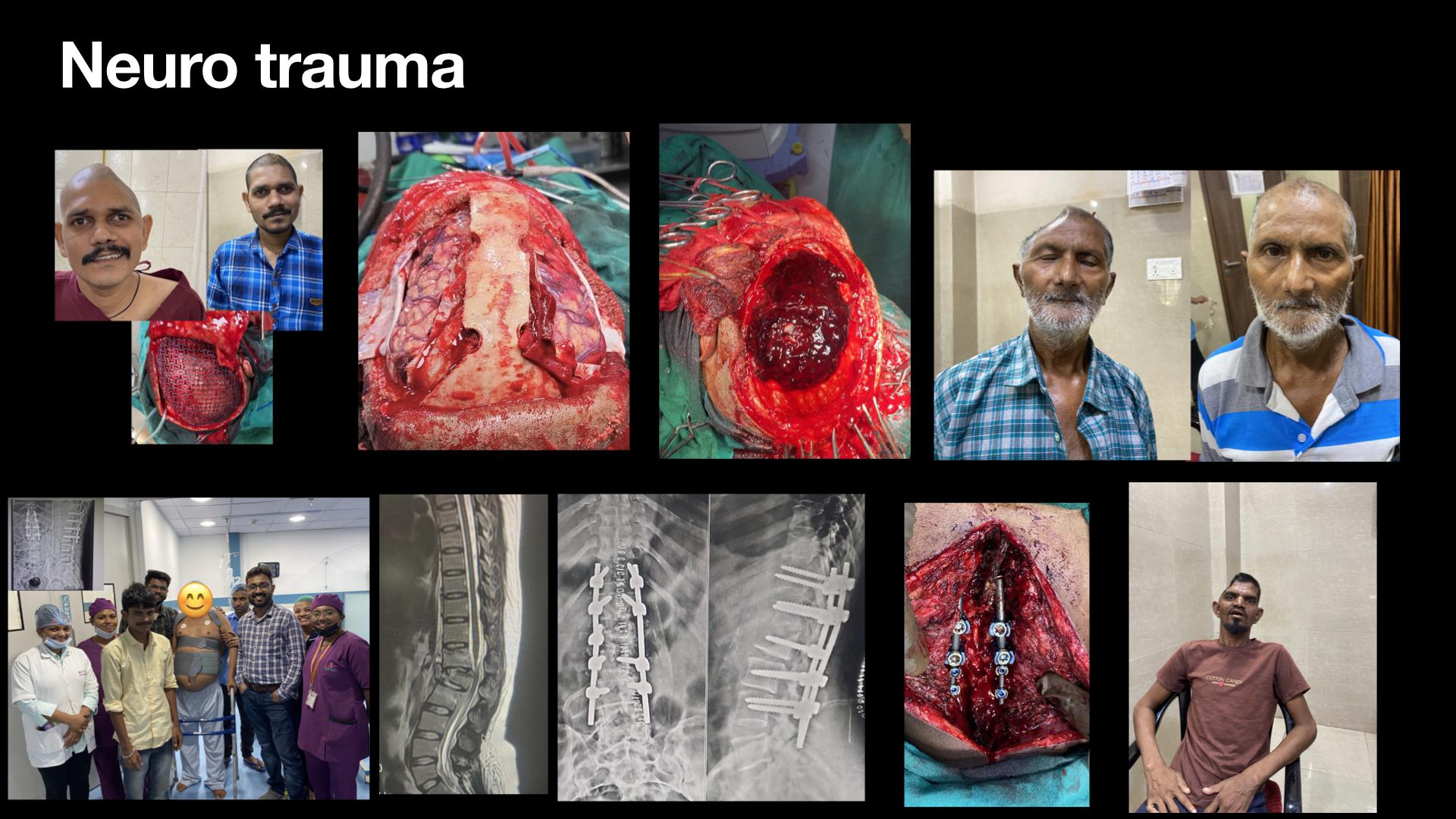
Neurotrauma:
Neurotrauma is a head or spine injury caused by a fall or road traffic accident. It includes concussions, traumatic brain injuries (TBI), skull fractures, spinal column fractures, and spinal cord injuries (SCI),etc.
Causes:
Road traffic accidents are the leading cause of TBI in India. In India, bike accidents are more frequent than car accidents. Falling is the second most common cause of TBI, which occurs much more often in children than in adults. Attack, workplace collisions, and weapons deaths are among the other sources of TBI.
Types:
- Brain Concussions
- Diffuse Axonal Injury
- Skull Injuries
- Contusions
- Intracerebral Hematomas
- ExtraDural Hematoma
- SubDural Hematoma
- Subarachnoid Hemorrhage
When to contact the hospital:
TBI can manifest itself in a variety of ways, ranging from the complete absence of any problems at the crash site to death at the trauma site. If a person has suffered a head injury, even if it is minor, we highly advise visiting and being taken to a local hospital for further treatment. Even minor looking incident can lead life threatening condition and deficits. Crucial hours are more important following trauma. In emergency try to reach nearest hospital as early as possible. The following are several common signs that may necessitate hospitalisation.
- Headache
- Vomiting
- Lethargy
- Contusions
- Confusion
- Paralysis
- SubDural Hematoma
- Loss of consciousness/coma
- Convulsion/seizure
- Neck pain
- Back pain
- Voice difficulty
- Ear/nose bleeding
Diagnosis:
In the emergency department, all TBI patients must undergo a thorough and rapid assessment. A brief review of the trauma history is conducted, accompanied by a systemic examination of the whole body, including neurological tests. Blood tests are performed regularly. The brain is scanned using computed tomography (CT) to check for trauma-related brain injuries. Clinical examination and x ray or sos MRI scan may require for spinal injury.
Treatment:
The patient's treatment is assessed based on his or her clinical condition and a CT scan/ MRI of his or her brain/Spine. Many patients respond well to medical treatment, while others may need surgery due to their brain injury or spine injury depending on severity
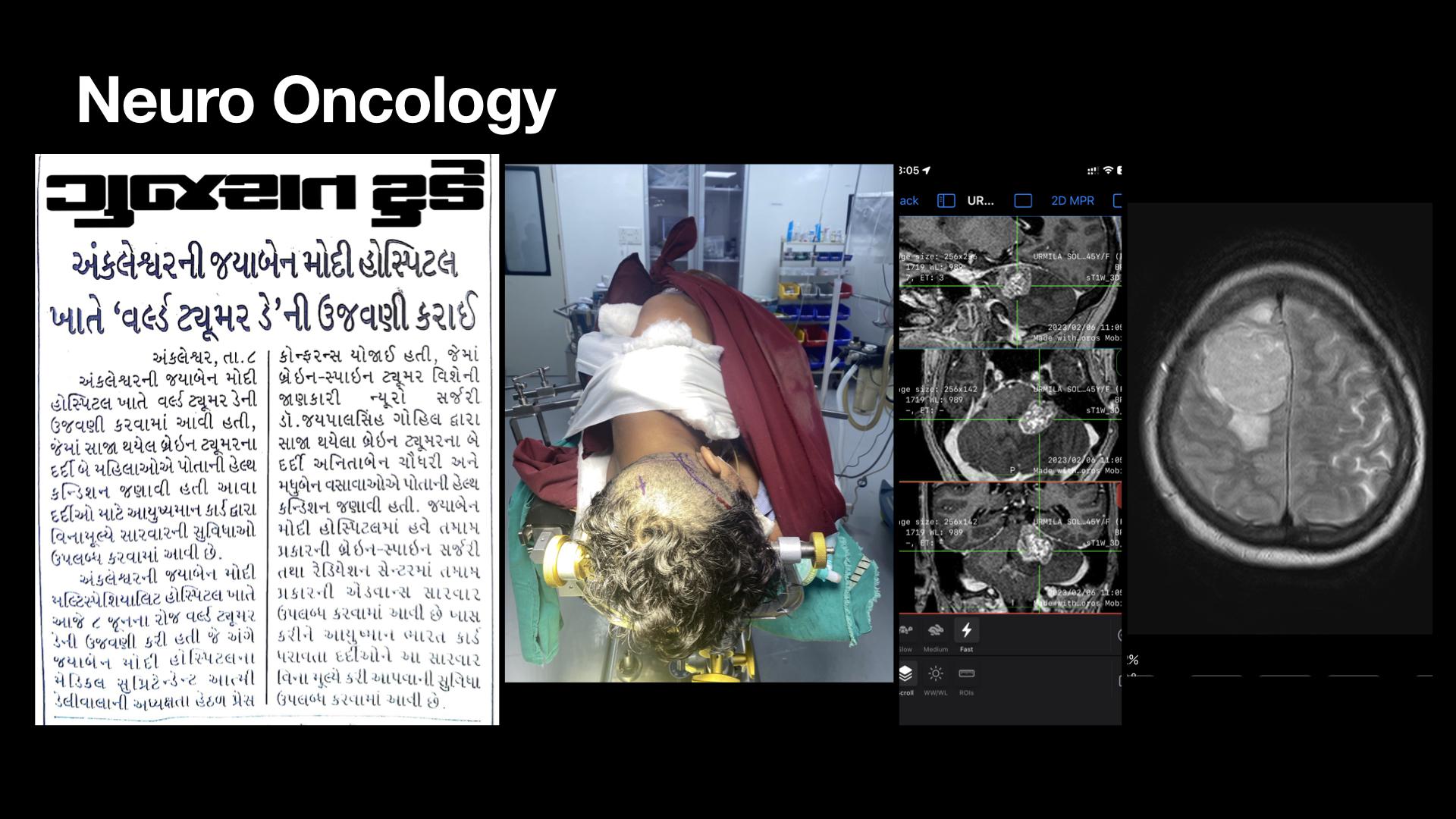
Neuro oncology (Brain/spine tumors)
A brain tumor is an irregular cell growth or mass in the brain/spine. There are several different forms of brain/spine tumors. Some tumors are benign (noncancerous), while others are cancerous (malignant). Brain tumors may start in the brain (primary brain tumors) or spread from other parts of the body to the brain (secondary brain tumors). Spinal tumors are intra medullary or extra medullary or spread from distal site.
Types of brain/spine tumors:
Astrocytomas, the most common CNS tumor, grow from tiny, star-shaped cells called astrocytes and can occur anywhere in the brain or spinal cord.
Gliomas of the brain stem are a form of astrocytoma that develops in the part of the brain that regulates many vital functions, including body temperature, blood pressure, breathing, appetite, and thirst.
Meningioma is a type of cancer that develops in the cells that line the membrane that surrounds the brain and spinal cord.
When to contact a doctor:
A growing tumor can compress a nerve or a section of the brain, causing clinical signs and symptoms in the patient. It depends on the size, shape, and location of the tumor. The most famous presentation is:
- You have a headache
- Nausea and vomiting
- Changes in voice, vision, or hearing
- Walking difficulties
- Mood, attitude, or concentration problems
- Memory issues
- Convulsions
- Back pain
- Urinary incontinence
Diagnosis and treatment:
The seriousness of the condition is determined by a clinical evaluation of the patient. Further investigation, such as CT Brain/MRI Brain/ spine, is performed based on clinical results for a final diagnosis.
After analysing the scans, a treatment plan is devised. Further treatment, such as surgery, is arranged depending on the type of tumor, its location, size, and the patient's age/general health.
The extracted tumor is sent for histopathological analysis after surgery to assess the tumour’s grade. Further treatment, such as radiotherapy or chemotherapy, is determined by the tumour's final grade.
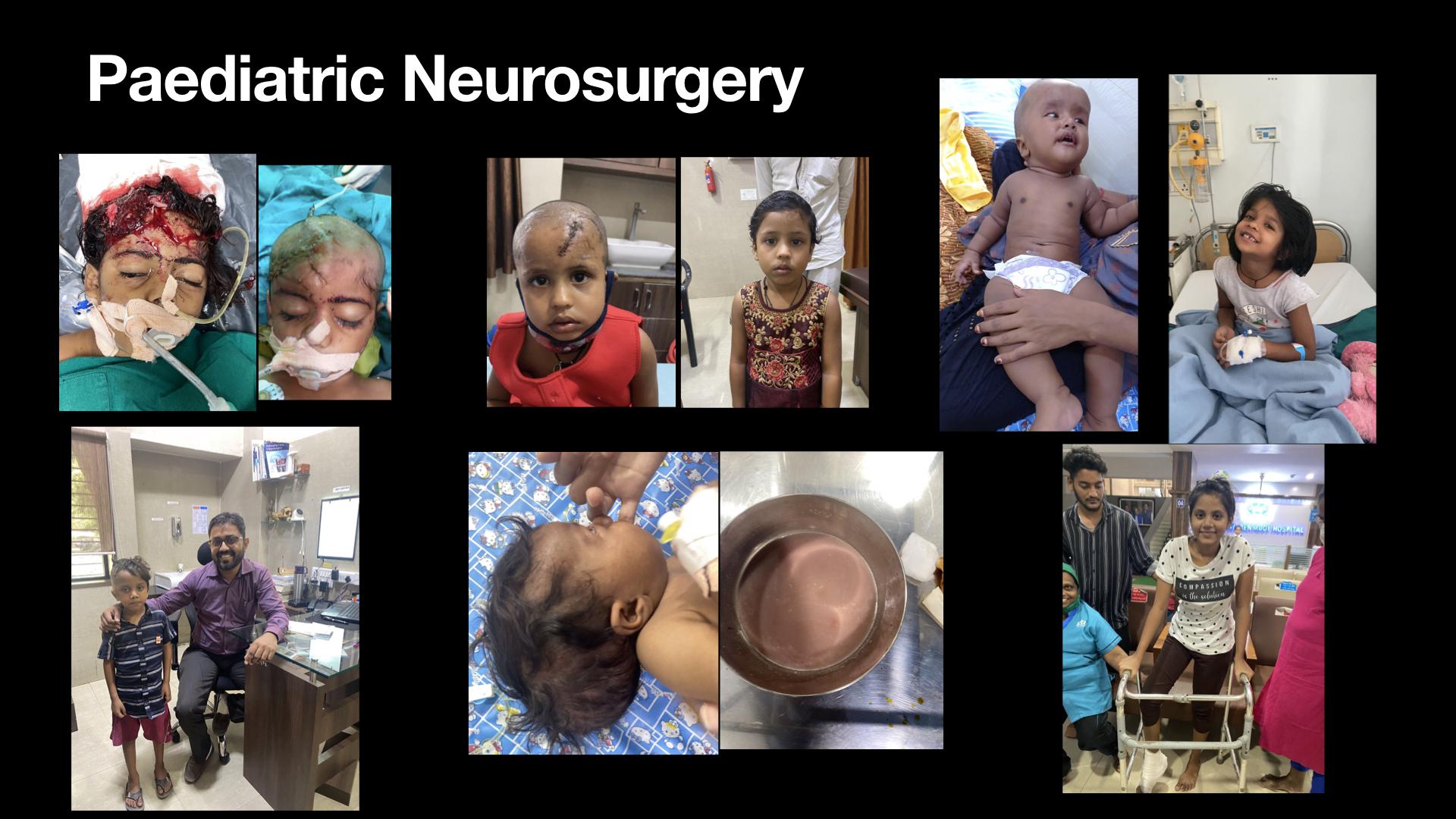
Pediatric Neurosurgery
Pediatric neurosurgery is a subspecialty of neurosurgery that treats children with operable neurological conditions. It involves surgical procedures involving the nervous system, brain, and spinal cord.
Children are never to be compared with small adults. They are not always able to express their concerns. They are not necessarily expected to be polite and cooperative, nor will they always answer medical questions. Any serious illness that strikes a child creates tremendous emotional and physical stress for the child as well as the rest of the family.
Neurosurgery in children can be challenging and complicated. In children and adolescents, we provide comprehensive treatment for a wide variety of brain, spine, peripheral nerve, and craniofacial disorders.
Children are presented with headache, vomiting, walking difficulty, repeated fall during walking, memory disturbance, delayed learning etc. Children with such complain undergoes same investigation MRI brain and spine and further valuation.
Brain and spinal disorders:
Dr. Jaypalsinh gohil specialises in pediatric brain and spinal disorders, including:
- Pediatric brain tumors
- Cerebrovascular defects such as Moya Moya disease and AVM
- Craniofacial anomalies and injuries
- Chiari Malformation
- Spina bifida
- Spinal malformations
- Hydrocephalus
- Epilepsy pain
- Movement disorders
- Spina bifida
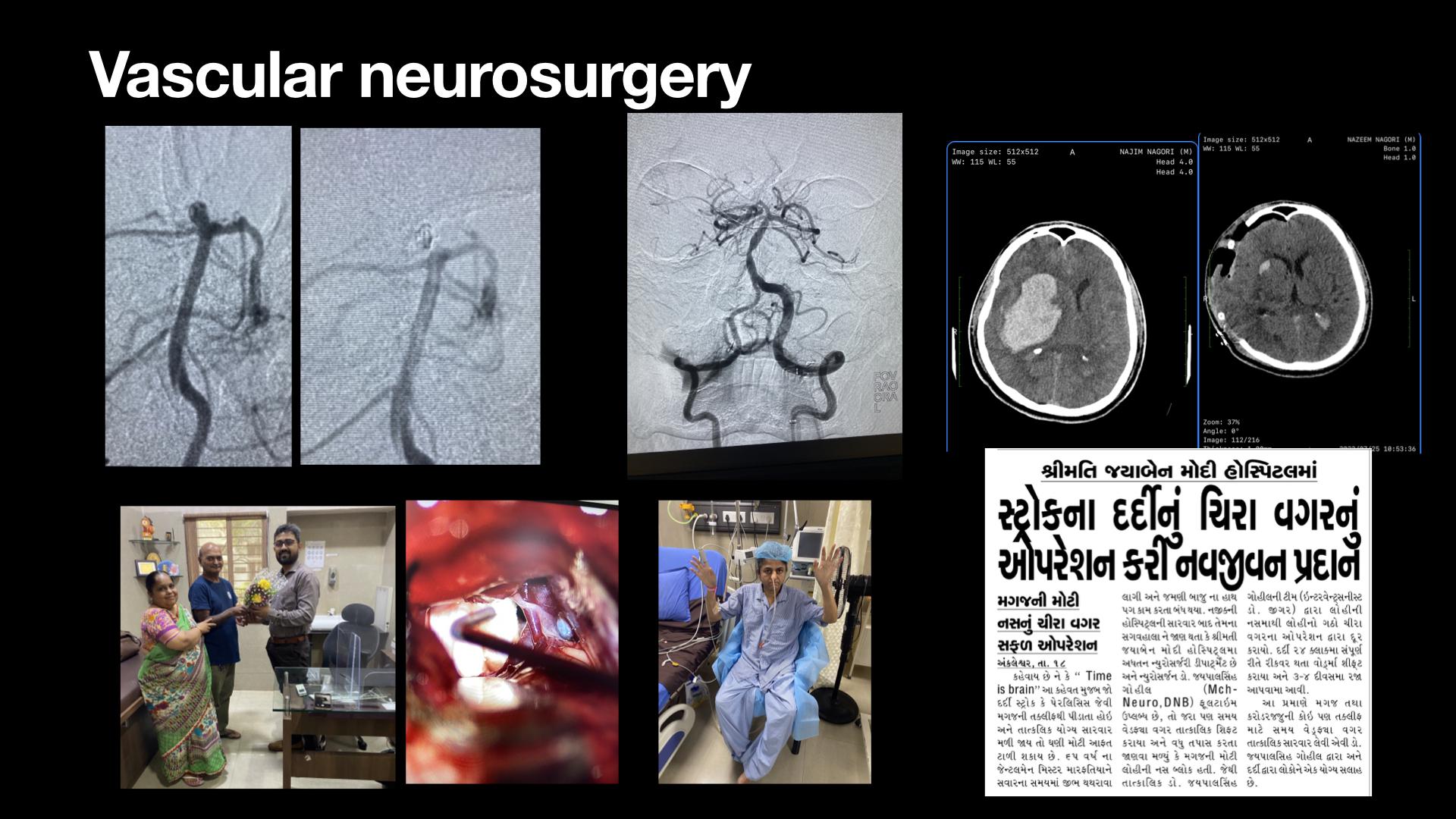
Vascular Neurosurgery
Vascular neurosurgery is a complicated subspecialty that deals with the brain and spinal cord injuries caused by hemorrhages or strokes. Due to the high technical requirements and the impact that these conditions can have on the patient's life and work, it is a very complicated subspecialty.
The treatment of defects in blood vessels in the brain and spinal cord is referred to as vascular neurosurgery
Common condition:
Aneurysms, arteriovenous malformations (AVMs), carotid-cavernous fistulas, and Moya Moya disease are all common vascular neurosurgery conditions
When to contact the hospital:
The following are common symptoms that could necessitate hospitalization and further investigation:
- Sudden extreme headache
- Vomiting
- Lethargy
- Confusion
- Paralysis of all four one side of the body
- Loss of consciousness/coma
- Convulsions/seizures
- Dizziness and problems with balance
- Speech/vision difficulties
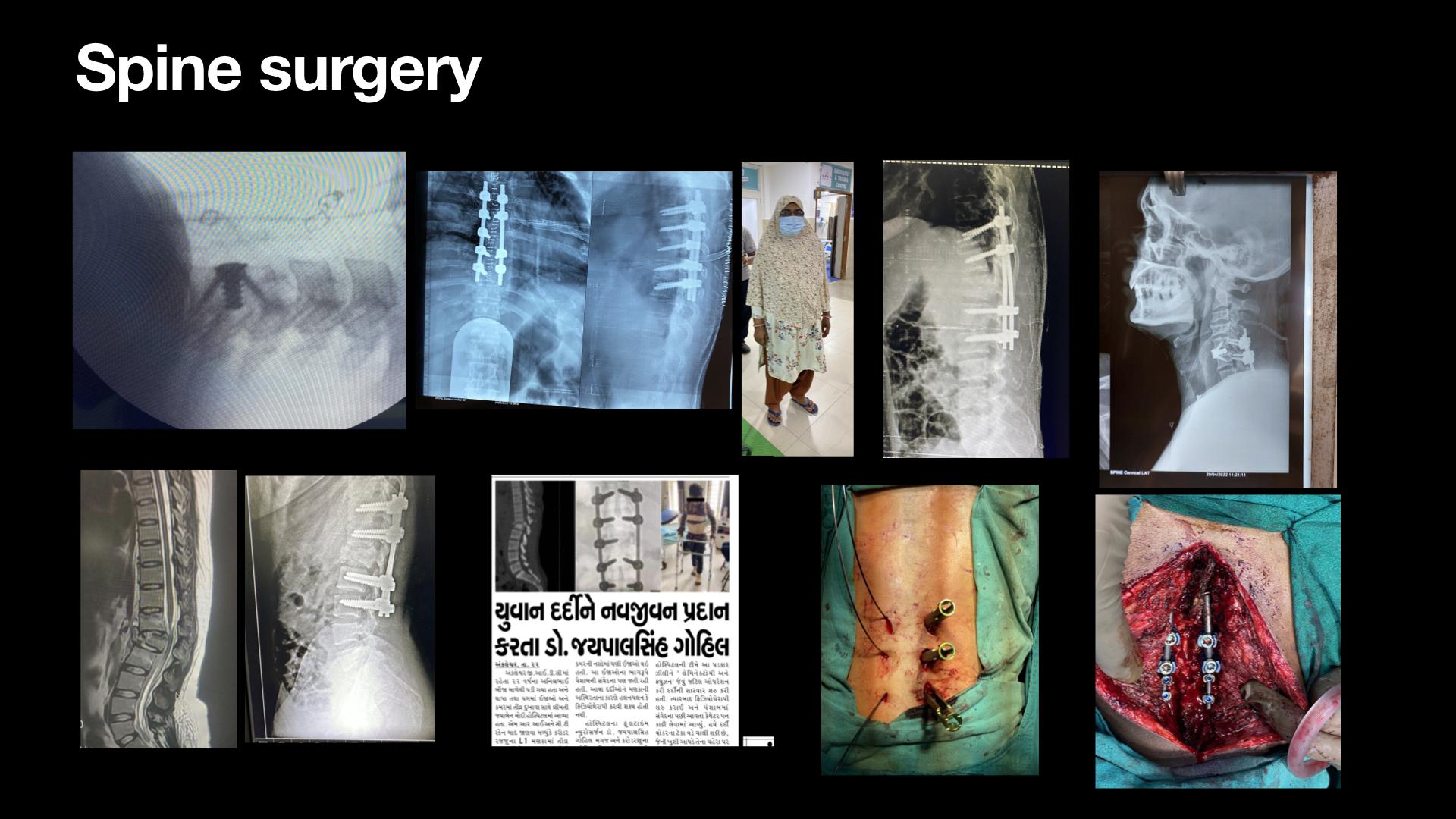
Spinal Surgery :
We aim to put together the most cutting-edge scientific research and technology to create a treatment plan that is often made up of several components. We strive to avoid spinal surgery whenever possible, but if it is the only choice, you can rest assured that you are in the best of hands. We make every effort to increase the likelihood of a good outcome while reducing risk.
Common conditions :
The following are some of the most common conditions that are treated:
- Cervical disc disease is a degenerative condition. Age-related degeneration causes cervical or lumbar discomfort. Spondylolisthesis and spondylosis are also included.
- Fractures of the spine It may be caused by osteoporosis, burst fractures, or fractures and dislocations caused by injuries.
- Tumors of the spine Astocytomas, meningiomas, schwannomas, and other tumors of the spinal canal or spinal cord.
- Minimally Invasive Spine Surgery (MISS) Surgery for discectomies, fusions, and trauma using small incisions.
- key hole stich less endoscopic surgery for prolapsed disc, lumbar canal stenosis etc.
When to contact the hospital:
Neck pain, Back pain, Pain in upper or lower limbs, Tingling/numbness in limbs, Difficulty carrying items, Difficulty walking, Weakness in limbs are all common spinal conditions that may involve more examination.
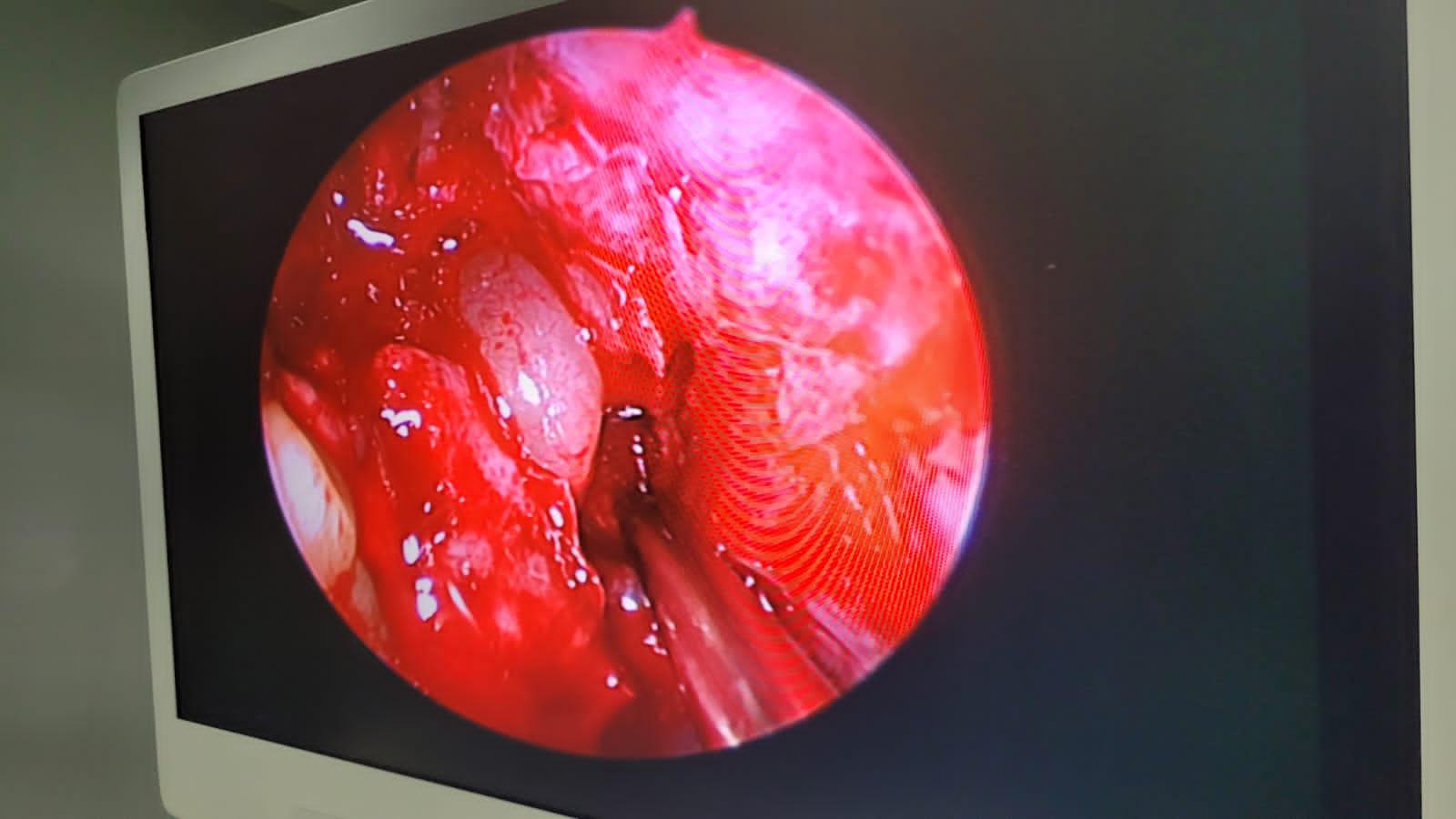
Neuroendoscopy :
Neuroendoscopy is a minimally invasive surgical technique in which the tumor is removed through small holes in the skull or the mouth or nose by a neurosurgeon. Neurosurgeons can use neuroendoscopy to Access parts of the brain that are difficult to reach with conventional surgery
How it is done?
An endoscope is a compact telescope-like instrument with a high-resolution video camera that allows the neurosurgeon to navigate and reach the tumor. Neurosurgeons use special devices attached to the endoscope to extract tumors or take a sample of them (biopsy).
Benefits of neuroendoscopy :
Neck pain, Back pain, Pain in upper or lower limbs, Tingling/numbness in limbs, Difficulty carrying items, Difficulty walking, Weakness in limbs are all common spinal conditions that may involve more examination.
- Less pain than conventional surgery
- Quicker regeneration
- Minimal anatomical damage and scarring
Types of tumors treated :
- Ventricular tumors
- Skull foundation tumors
- Pituitary tumors
- Craniopharyngiomas
- Pineal field tumors
- Spine disorder like slipped disc, canal stenosis etc.